
Mastering casino strategies Essential tips and tricks with Pin Up Casino for winning big
18/03/2026Unraveling the truth Five casino myths you need to stop believing
18/03/2026Understanding the psychology behind gambling behaviors in casinos
Understanding the psychology behind gambling behaviors in casinos
The Allure of Gambling
The psychology behind gambling behaviors is rooted in a complex interplay of emotions and cognitive processes. Many individuals are drawn to casinos because of the thrill of risk-taking and the potential for big wins. This excitement can create a euphoric state often referred to as “the gambling rush,” where players feel an adrenaline surge that can lead to continued play despite potential losses. Additionally, many players find resources like moro-spin.casino helpful in navigating their gaming options.
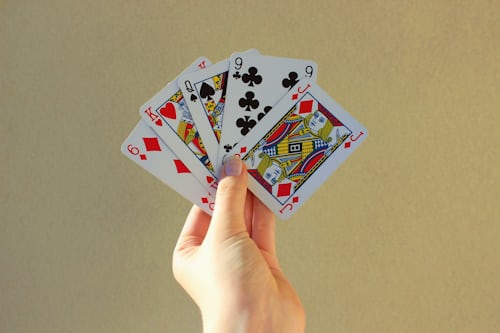
Moreover, the design of casinos is strategically crafted to enhance this allure. Bright lights, engaging sounds, and the layout of games are all optimized to create an immersive environment. This sensory stimulation keeps players engaged and often leads them to lose track of time and money, making it easier to continue gambling even when it may not be in their best interest.
Cognitive Biases in Gambling
Gambling behaviors are heavily influenced by cognitive biases that can skew decision-making. One common bias is the illusion of control, where players believe they can influence the outcome of a game through their actions, even in games of pure chance. This misconception can lead to increased gambling activity as individuals pursue what they believe to be winning strategies.
Another prevalent bias is the gambler’s fallacy, where individuals think that past outcomes affect future probabilities. For instance, a player might believe that a slot machine is “due” for a win after a series of losses. These cognitive distortions can perpetuate gambling behaviors, as players rationalize their losses and continue to bet in hopes of eventually hitting a lucky streak.
The Role of Emotion in Gambling
Emotions play a critical role in gambling behaviors, influencing not only the decision to gamble but also the way players respond to wins and losses. Positive emotions such as excitement and happiness can enhance the enjoyment of gambling, while negative emotions like stress or sadness might drive individuals to seek solace in gambling as an escape.
This emotional connection can create a cycle where individuals gamble to celebrate a win or cope with a loss. The resulting behavior can lead to a problematic relationship with gambling, where individuals struggle to find balance and may develop a dependency on the excitement or escape that gambling provides.
Strategies for Responsible Gambling
Understanding the psychology behind gambling behaviors highlights the importance of responsible gambling practices. Setting limits on time and money spent can help players maintain control and avoid falling into destructive patterns. It’s essential to approach gambling as a form of entertainment rather than a source of income.
Additionally, self-awareness is crucial. Players should regularly assess their motivations for gambling and recognize when their behavior may become unhealthy. Seeking support from friends, family, or professional services can also provide guidance and help in making informed decisions about gambling habits.

MoroSpin Casino and Responsible Gaming
MoroSpin Casino is committed to promoting responsible gaming among its users. With a wide array of games and enticing bonuses, it offers an exciting platform for entertainment while encouraging players to gamble responsibly. The casino provides tools and resources to help users manage their bankroll effectively, ensuring that their gambling experience remains enjoyable and safe.
By fostering an environment that prioritizes player well-being, MoroSpin aims to create a supportive community for gamers. This approach not only enhances the user experience but also reflects the casino’s dedication to responsible gaming practices in the evolving landscape of online gambling.